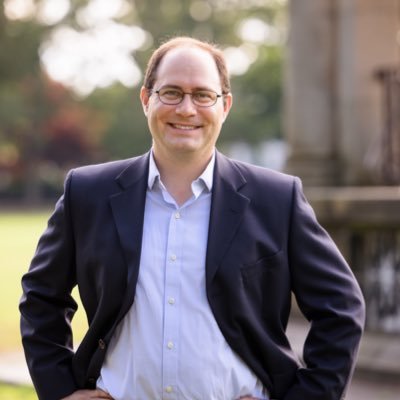
This week at the Salem Rotary we welcomed our friends from the Salem Chamber of Commerce for the third and final installment of our Legislative Lunch series, this time featuring Mayor of Salem Dominick Pangallo.
Mayor Pangallo gave us updates on several pressing matters. First and foremost was housing affordability, both in terms of the cost of home ownership and rental rates. In the last decade the median income in Salem has increased by 8% while home values have increased by 49%. There were 100 more homeless students this year than last. Salem has double the number of families below the poverty line than affordable housing units in the city in total. Thinking about the fundamental law of economics, Mayor Pangallo is no interest in limiting demand, so the city needs to look at creative ways to increase supply. Recent condo conversions have removed 5% of the rental stock in 2022. Right now the city is waiting on state approval to make it more difficult to convert multifamily homes into condos. The bill is out of the House and into Senate. Mayor Pangallo also is taking a hard look at the properties actually being developed in the city. 70% of households in Salem are 1-2 people, but most housing units are two or more bedrooms. the city must focus on smaller units which are more space efficient, affordable, and actually meet Salem's housing needs. The Mayor also is looking to change local ordinances to help. For example, he hopes to change mandatory parking ratio changes which require too many parking spots per unit. Sofi (formerly the Bell apartments) has 400 parking spots but actual utilization is about half that amount. As a result, 6250 square feet of space is wasted, there is increased storm water runoff, and it is hotter. There could 77 additional housing units instead of these wasted parking spots. There would be about $6 million in property taxes gained. Mayor Pangallo is currently updating this study to present a proposed alteration to the mandatory parking ratio to reflect current housing and automobile needs.
Mayor Pangallo gave a brief update on the off Shore wind project. It has been fully permitted at a local level, and soon will be at state and federal levels. The plant will be opening in 2026, the second such off shore wind project in Massachusetts and the 4th in the US. This will bring jobs and improve energy efficiency. About 2/3 of the possible energy required of Commonwealth can be generated by this project all while cutting emissions equivalent to removing 2.3 million vehicles from the roads.
Mayor Pangallo spent quite a bit of time talking about Salem Public Schools. The Pre K partnership at Collins will no longer be a pilot program but a fulltime one. Both the early college and the CTE programs are growing. The city has improved graduation and dropout rates. Student enrollment is up. Regarding a new high school, the Mayor says that the current building does not serve the students and has safety concerns. It is inefficient and costs in utilities are excessive. The building is not the right size, and is currently at about 50% capacity compared to its initial construction. He focused on the on popularity of CTE program which has been expanded to middle school and an after school program for adults. The school is unsuited to the needs of the CTE program as well. The city has applied to the state for funding, and that application has moved into feasibility phase. Nothing has been determined for certain, but the goal is to have a new Salem High School. Grade alterations possible too.
The Mayor ended his talk with a little Q&A. We are still in the planning phase for South Salem commuter rail stop which is key to the MBTA's efforts to electrify the commuter rail. Regarding the South Campus at SSU, the properties are being sold for redevelopment. The city is phasing out the current housing and finding suitable replacements for all of those currently living there. The city is working with local organizations and groups to get these families out of the shelters. Right now, there are about 50 or so families left. Some of the challenges include working to get work authorizations for migrants workers here legally as well as providing English classes to make workers more attractive to potential job postings classes.


 50:50 Raffle